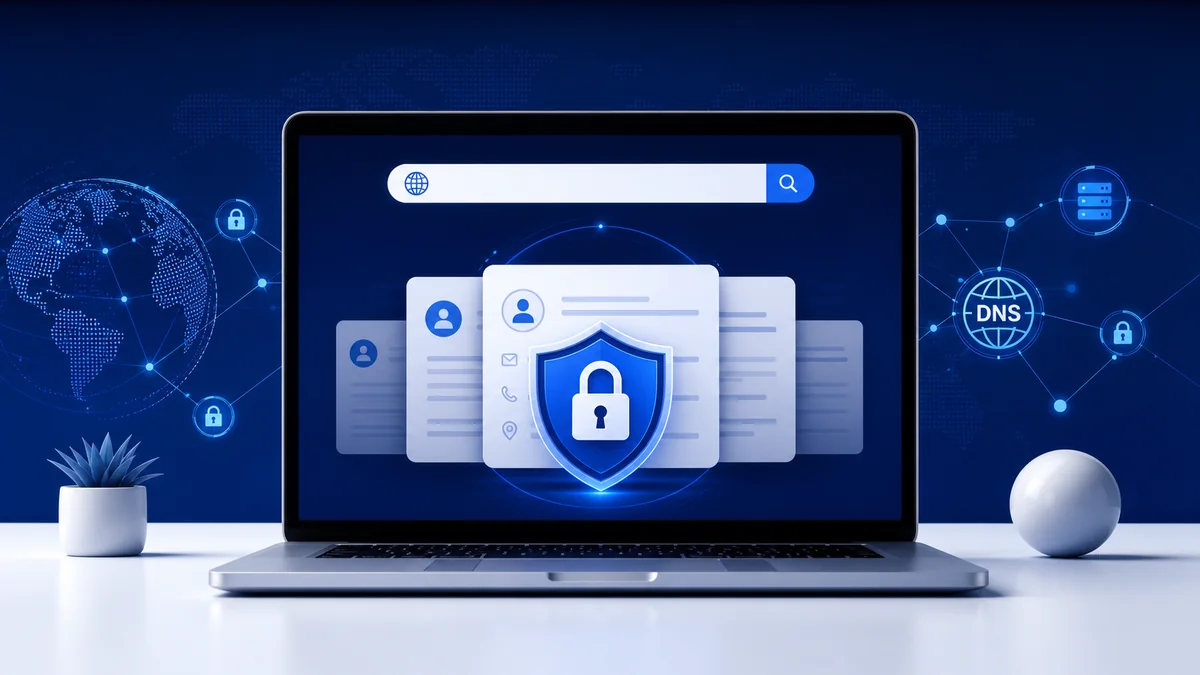
Is Domain Privacy Protection Worth It for Small Businesses?
July 10, 2026
When you register a domain name, the contact details connected to that domain can become part of publicly searchable registration records. For small businesses, freelancers, and new brands, that raises a practical question: is domain privacy protection worth it, or is it just another add-on?
The short answer: domain privacy is usually worth enabling if you want to reduce spam, protect personal contact details, and keep your launch more professional. It works best when paired with reliable domain registration, secure hosting, SSL, and a business email setup that customers can trust.
What Is Domain Privacy Protection?
Domain privacy protection, sometimes called WHOIS privacy or domain privacy, replaces your personal registration contact details with proxy or privacy service details in public lookup records where supported by the registry. Your domain remains registered to you, but your direct phone number, email address, and street address are not as easy for marketers, scrapers, and bad actors to collect.
Why Small Businesses Search for Domain Privacy
People searching for “domain name privacy protection,” “is domain privacy protection necessary,” or “what is domain privacy protection” are usually trying to avoid three risks:
- Spam and sales calls: New domains can attract automated outreach from SEO vendors, design agencies, and scammers.
- Personal exposure: Sole proprietors and home-based businesses may not want a personal address connected to a public domain record.
- Brand trust issues: A professional domain should support a polished business presence, not expose messy or personal contact information.
Is Domain Privacy Protection Necessary?
It is not always legally required, and some domain extensions or business registrations may show limited information by default. However, domain privacy is still a smart default for most small businesses because it reduces avoidable exposure at the start of a project.
Think of it like locking the front door of your online brand. It will not replace good passwords, SSL, backups, or secure hosting, but it removes one easy source of public contact harvesting.
When Domain Privacy Is Worth It
1. You Are Registering a Domain Before Launch
If you are buying a domain before your website is ready, privacy protection helps prevent your new brand name from becoming a magnet for unsolicited messages. Combine it with fast web hosting so you can move from idea to live website without unnecessary delays.
2. You Work From Home or Use Personal Contact Details
Many small businesses start from a home office. If your registration details include a personal address or phone number, privacy protection can help separate your business identity from your private life.
3. You Want a More Professional Email Presence
A custom address like hello@yourdomain.com looks more credible than a free mailbox. Domain privacy protects the registration layer, while professional email hosting gives your team branded inboxes for sales, support, and billing.
4. You Are Building Customer Trust
Privacy is one part of a trustworthy online setup. Customers also expect HTTPS, secure checkout pages, and a website that loads consistently. If your site collects forms, payments, or account details, pair privacy with an SSL certificate and a hosting plan that supports security best practices.
When Domain Privacy May Not Be Available
Some domain extensions, country-code domains, and regulated registrations have different rules about public data. In some cases, privacy may be limited or unavailable. Before registering, check what the extension allows and use accurate ownership details even when privacy masking is enabled.
Domain Privacy vs. Business Transparency
Domain privacy does not mean hiding your business from customers. You should still publish appropriate contact details on your website, such as a contact form, support email, phone number, business address, or legal information when required. The difference is control: you choose what customers see, instead of exposing registration records by default.
Small Business Domain Privacy Checklist
- Register your domain through a provider that supports privacy where available.
- Use a dedicated business email address rather than a personal inbox.
- Enable SSL before collecting contact forms or customer data.
- Keep domain renewal reminders active so you do not lose the name.
- Use strong passwords and two-factor authentication for your hosting and domain accounts.
- Keep your website, CMS, themes, and plugins updated.
FAQ: Domain Privacy Protection
What is domain privacy protection?
Domain privacy protection masks supported public registration contact details with privacy service information, helping reduce spam and unwanted exposure.
Is domain privacy protection worth it?
For most small businesses, yes. It is a low-friction way to reduce public exposure while you build your website, email, and brand presence.
Does domain privacy replace SSL?
No. Domain privacy protects registration contact details. SSL protects data exchanged between your visitors and your website. For a trustworthy launch, use both privacy-aware domain registration and SSL security.
Can customers still contact my business?
Yes. You can publish your preferred business contact details on your site and use custom business email hosting for a more credible customer experience.
Final Takeaway
Domain privacy protection is worth considering for nearly every small business domain. It helps keep personal registration details out of easy public view, cuts down on unwanted outreach, and supports a more professional brand launch. Start with the right domain, connect it to dependable hosting, secure it with SSL, and use branded email so your online presence feels trustworthy from day one.